Types of Eggs in Pakistan Explained: Desi, Organic, Farm & Free-Range Compared
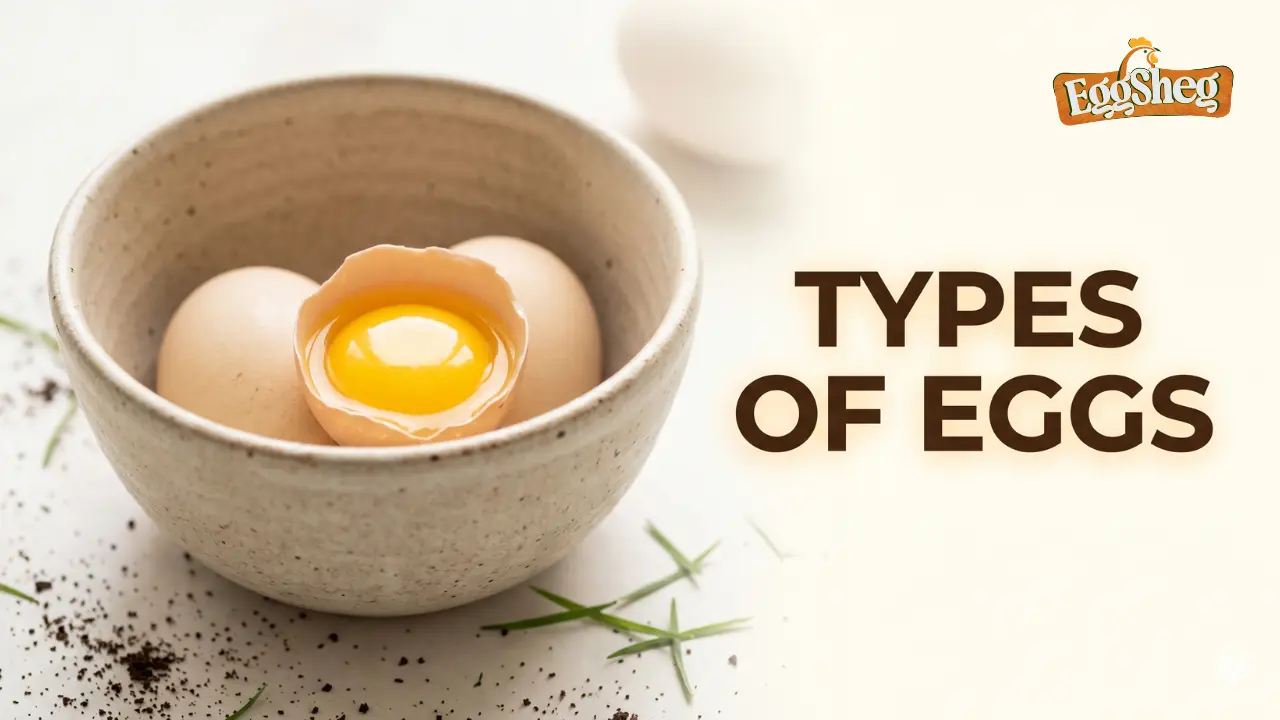
When you look at the egg shelf in a Lahore supermarket, the choices can make your head spin. You see white eggs, brown eggs, omega-3 enriched eggs and organic eggs. They all claim to be the absolute best for your health.
As a nutritionist, I see clients every day who are confused by these labels. Recently, our team compared 50 different supermarket eggs across Lahore to uncover the truth. Let us clear the confusion and look at what is actually inside these different types of eggs.
You stand in the supermarket aisle looking at four different types of eggs. These include white, brown, omega-3 and organic options, all at completely different price points. You want to buy the healthiest option for your family, but you feel completely overwhelmed.
No one explains what these types actually mean. This leaves you worried that you are either wasting money or buying low-quality food. Let us break down the science of types of eggs in Pakistan so you can shop with confidence.
Quick Answer: What Do These Labels Mean?
- Desi Eggs: Local brown eggs, but in Pakistan, "desi" is not a legally standardized labeling category.
- Farm Eggs: Standard white eggs from commercial indoor layer hens [chickens bred specifically to lay eggs quickly in cages].
- Cage-Free: Hens are not in tiny cages, but they are still kept entirely indoors without natural sunlight.
- Pasture-Raised: Hens roam freely outdoors on natural grass, which dramatically boosts the protein density and vitamin levels of the egg.
The Supermarket Shelf: What Are You Actually Paying For?
Decoupling Factory Hype from Farm Reality
Many commercial egg brands rely on beautiful, brightly colored cartons to catch your eye. They use clever designs to make you feel like the eggs inside came from a peaceful, sunny pasture. The truth is that most types of eggs in Pakistan come from massive industrial facilities where chickens never see the sun.
What This Label REALLY Means
A higher price tag does not automatically mean better nutrition for your children. Often, you are just paying for the brand's expensive television commercials and glossy plastic packaging. Many commercial farms also use heavy poultry antibiotics [medicines used to stop diseases in crowded cages] which can pass into the food supply.
Nutritional Advisory
- Check the Fluidity: When cracked, a premium type of egg stays tightly grouped in the pan. Cheap industrial variants immediately run flat across the surface like water.
- Inspect the Shell Density: Real, high-quality eggs require a firm crack because the hens are fed proper calcium. This is very different from the fragile, paper-thin shells of low-grade factory eggs.
- Smell the Raw Yolk: Low-quality types of eggs often carry a heavy, unpleasant fishy smell. This is due to cheap fish-meal fillers used in crowded industrial poultry feed systems.
A chicken's internal health determines the value of the egg, meaning a cheap price usually translates to low nutrient levels.
White vs. Brown Shells: Why the Color is Hiding the Real Truth
The Genetics of Shell Color vs. Marketing Tricks
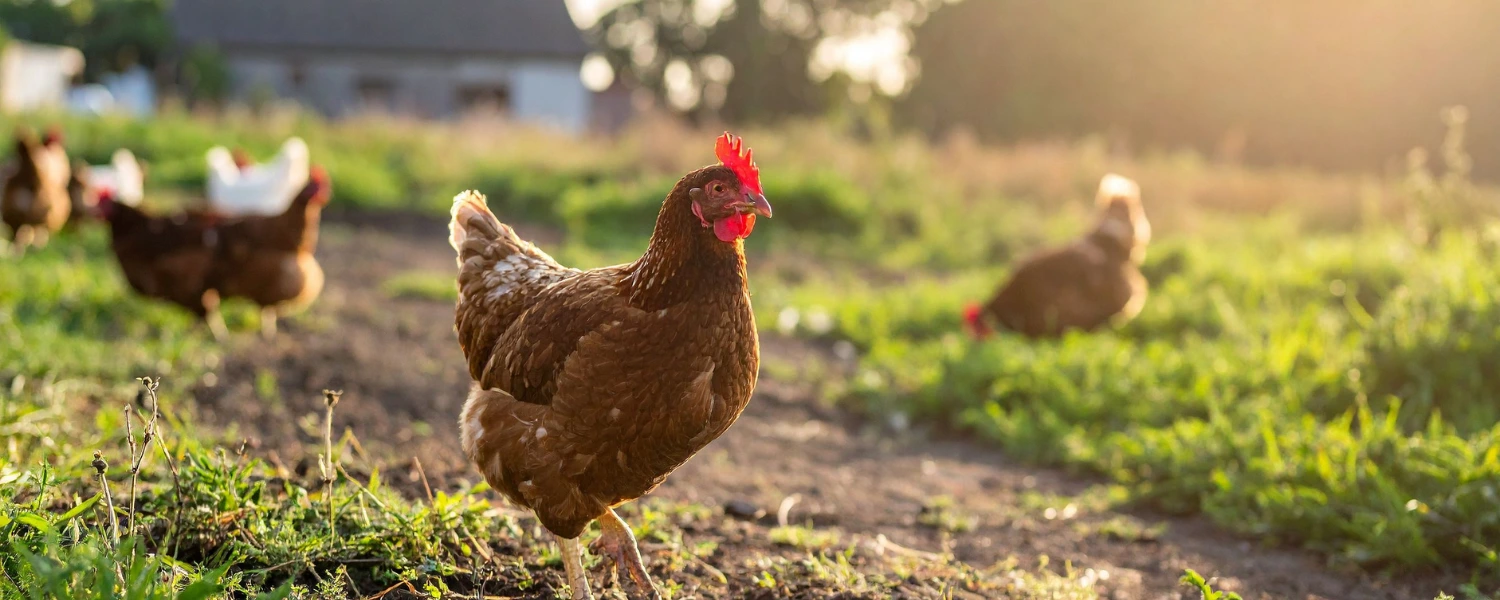
Let us bust a massive myth that local shoppers face every single day. Brown eggs are not automatically healthier, safer or more organic than white eggs. The color of an eggshell is purely determined by the breed of the chicken. This means white feathers produce white shells and brown feathers produce brown shells.
Yolk Pigmentation and the Fake Desi Egg Scam
Because brown eggs fetch a higher price in Lahore, some dishonest sellers actually dye ordinary factory white eggs. They also manipulate the hen's diet using artificial marigold feed additives [chemical color powders added to chicken food]. This creates an artificially dark yolk that tricks buyers into thinking it is a real desi egg.
A genuine pasture-raised organic egg gets its color from natural yolk carotenoids [healthy yellow and orange vitamins found in real green grass]. You cannot trust the shell color alone to protect your family's health.
Decoding Pakistani Supermarket Eggs
| Egg Type | Feed | Outdoor Access | Nutrition | Price | Common Misleading Claims |
|---|---|---|---|---|---|
| Desi Eggs | Variable | Rare | Variable | High | Claimed as organic without proof. |
| Commercial Farm | Synthetic | None | Low | Low | Sold as "farm fresh" despite old age. |
| Cage-Free | Synthetic | None | Medium | Medium | Buyers wrongly think hens go outside. |
| Pasture-Raised | Grass & Bugs | 8+ Hours | Very High | Premium | None, fully transparent farming. |
The shell color tells you nothing about the vitamins inside, as the only real proof of quality lies in how the hen was raised.
The Hidden Cost of Cheap Eggs: What Stress Does to a Factory Hen
The Impact of Crowded Cages on Internal Egg Quality
Industrial hens spend their entire lives in crowded wire cages where they cannot stretch their wings. This constant confinement creates immense physiological stress inside the bird's body. This severe lack of hen welfare directly damages the reproductive system, which leads to weak egg structures.
Why Happy Hens Produce More Nutrient-Dense Breakfasts
When a hen is allowed to walk on green grass and bask in natural sunlight, her body thrives. She absorbs real nutrients from nature, which she passes directly into her eggs. The science is clear: the physical environment of the bird changes the chemical makeup and protein density of your breakfast.
Core Health Truth: A chicken's stress levels directly damage the physical quality of her eggs. Crowded, anxious hens produce thin egg whites that lack the vital vitamin density found in birds raised on open pastures.
Decoding "Omega-3" and "Vitamin Enriched" Labels in Lahore
The Truth Behind Engineered Types of Eggs
Many cartons in local marts are now stamped with terms like "Omega-3 Enriched" or "Vitamin D Boosted." This makes it seem like these eggs are a special, scientifically superior superfood. In reality, these are just standard factory hens that were fed artificial chemical powders a few days before laying.
Are Artificial Feed Additives Worth the Extra Price?
These synthetic additives artificially raise nutrient levels so brands can hike up their prices. Also, your body does not absorb artificial nutrients as easily as it absorbs natural ones. It is always best to get vitamins from a bird's natural, clean lifestyle rather than a laboratory powder.
Farm Fact List
- The Feed Connection: To label types of eggs as "Omega-3 enriched," commercial factories mix heavy synthetic oils into the feed right before packing.
- The Stability Issue: Artificially boosted nutrients break down much faster during typical Pakistani high-heat cooking than naturally occurring vitamins.
- The Transparent Choice: Real nutritional variance [the natural difference in healthy vitamins] should come from the hen's natural digestive health, not chemical powder additives.
Synthetic feed powders cannot match the natural vitamin density that comes from a healthy hen eating green grass.
The Kitchen Counter Test: How to Spot a Nutrient-Dense Egg in 5 Seconds
Using the Haugh Unit Method at Home
You can easily test the freshness of your grocery store purchases using the Haugh unit [a strict international scientific measurement that tests the height of the egg white to see how fresh it is]. High-quality eggs have a firm, jelly-like white that stands tall around the yolk. Cheap, stale eggs will puddle out like water.
Egg Grading and Protecting Your Family
By checking a few basic egg freshness indicators in your kitchen, you can stop wasting money on clever marketing tricks. You will know instantly whether you bought a genuine, nutrient-dense egg or a cheap factory imitation. This keeps your family safe and ensures your children get the daily protein they need.
| Home Test Metric | Substandard Commercial Types | High-Quality Pasture Types |
|---|---|---|
| The Bowl Float Test | Floats completely (indicates stale, old stock) | Sinks flat to bottom (indicates absolute freshness) |
| Haugh Unit Profile | Flat white measuring less than 5mm tall | Thick, raised white measuring 7mm or higher |
| Yolk Membrane Strength | Breaks immediately when touched by a fork | Elastic, bounces slightly before tearing |
Real food authority cannot be faked, because a quick crack into a frying pan reveals the true health of the egg instantly.
Now that you know how misleading labels can be, here’s exactly how Egg Sheg raises its hens differently. Switching to Egg Sheg Organic Farm Fresh Eggs provides your kitchen with a transparent, honest choice. Explore our complete guide to pasture-raised eggs in Pakistan to see how our ethical farming practices completely transform the breakfast on your table.
For more details on global egg grading, you can read the strict guidelines provided by the United States Department of Agriculture (USDA). To understand local food safety rules, look at the research published by the Pakistan Agricultural Research Council (PARC).
Frequently Asked Questions (FAQs)
Are these eggs completely safe to eat raw in homemade mayonnaise?
While our hens are raised in incredibly clean, open pastures with strict farm hygiene, we always recommend using a pasteurized type of egg if you are making raw recipes like mayonnaise or tiramisu. Standard raw eggs carry a risk of Salmonella [a dangerous bacteria that causes severe stomach illness and food poisoning]. This is why recipes that skip the cooking process require specialized pasteurization to be 100% safe for children and pregnant mothers.
How do I verify if the desi eggs I bought from the local mart are artificially colored?
The easiest home test is to look at the consistency of the egg white and smell the boiled yolk. Artificially dyed commercial eggs often come from factory hens fed cheap fish meal to force a darker look, which leaves a faint, unpleasant fishy smell when heated. Also, when you crack a fake desi egg, the white is completely flat and watery. A real, healthy pasture-raised egg has a thick, distinctly raised white ring around the yolk.
Why do the yolks in your organic eggs look so much darker than the ones from standard factory crates?
A healthy yolk is naturally colored by the real grass, seeds and plants the hen eats while roaming outside. It is not colored by synthetic color dyes secretly mixed into cheap commercial feed. Because our hens spend their days foraging in open fields under real sunlight, they absorb natural pigments. This makes the yolk creamier, richer and completely free of the strange chemical aftertaste found in standard indoor-shed eggs.
Why are some eggshells in your crates different shades of brown while others are white?
Unlike massive industrial factories that force millions of chickens to lay identical-looking eggs under non-stop artificial lights, our hens live outdoors and experience natural day-to-day changes. Shell color is entirely determined by the breed of the hen. This means white hens lay white eggs and brown hens lay brown eggs. Natural shade variations prove that our types of eggs are gathered from a real, diverse farm ecosystem rather than a rigid factory assembly line.
How long can I safely store these eggs in my kitchen during the hot Lahore summer?
Because Egg Sheg eggs bypass the long, hot and unpredictable supply chains of local wholesale markets, they are delivered straight from our Lahore farms to your door within 24 hours of being laid. If you keep them refrigerated at 4 degrees Celsius [regular fridge temperature], they will hold their peak freshness and protect their thick, healthy whites. They will remain completely safe and nutritious for up to 3 weeks.